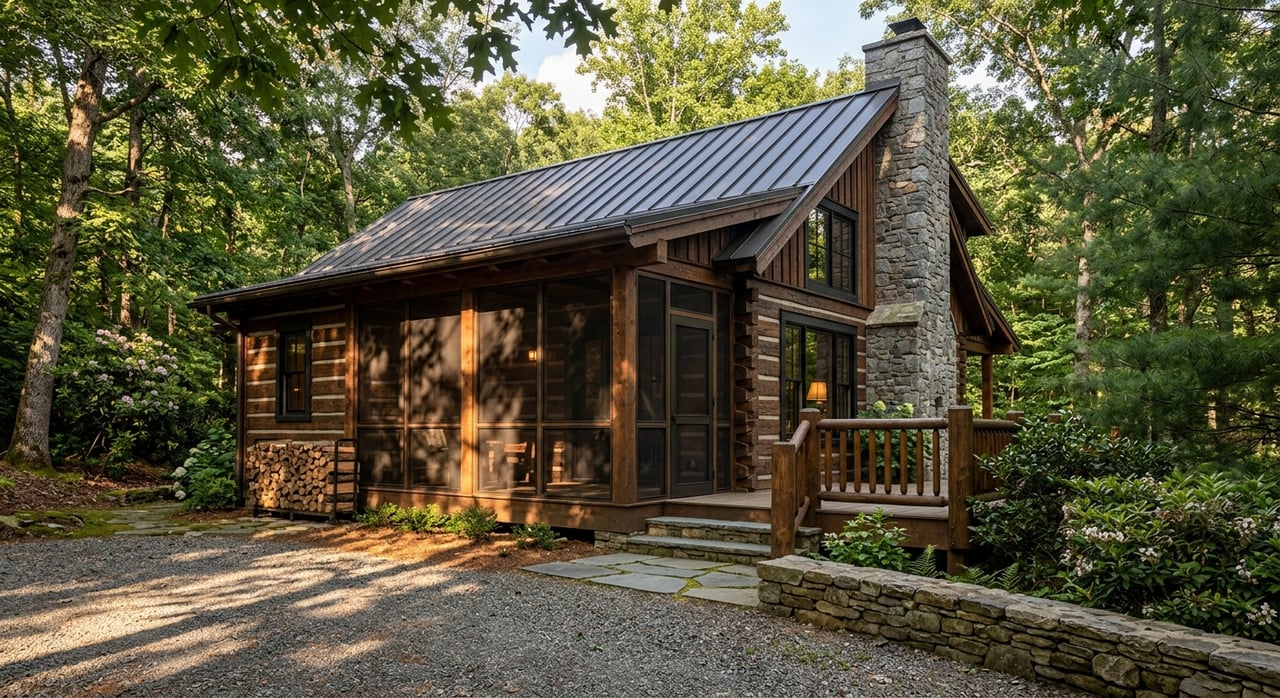
What It Is Like To Own A Cabin In Blue Ridge
April 16, 2026
April 16, 2026
If you picture cabin ownership as nothing but quiet mornings and mountain views, Blue Ridge may live up to that dream, but it also comes with real-world details you need to understand. Whether you are looking for a second home, a full-time move, or a property you may occasionally rent, life here tends to feel different from a typical suburban routine. In Blue Ridge, the appeal is easy to see: outdoor access, a walkable downtown core, and a strong sense of getaway living. The key is knowing how the lifestyle and upkeep actually work before you buy. Let’s dive in.
Owning a cabin in Blue Ridge usually means living closer to nature and planning a little more carefully for day-to-day property care. The town sits about 90 miles north of Atlanta, and the setting blends mountain scenery with a downtown centered around the historic depot and the Blue Ridge Scenic Railway. That makes it attractive if you want a place that feels away from it all without being completely disconnected.
For many buyers, the lifestyle is the biggest draw. You have access to shopping, dining, festivals, and outdoor recreation in one place. Instead of a neighborhood pool or suburban errands being the center of your routine, you may find yourself spending more time on the lake, on the trails, or downtown for a weekend meal.
Blue Ridge has a visitor-friendly downtown, and that shapes the ownership experience. The City of Blue Ridge community page highlights shops, restaurants, festivals, and the railway that runs through downtown from the historic depot. If you own nearby, that can make weekends feel active and convenient.
At the same time, downtown convenience comes with some seasonal activity. The city also notes that some parking is free, some parts of the business district have a 3-hour daytime limit, and event days can bring higher parking fees. If you enjoy having a lively small-town center nearby, that is part of the package.
Outside downtown, the landscape quickly turns more natural and recreation-focused. Lake Blue Ridge Recreation Area offers access to a 3,290-acre reservoir with boating, skiing, and fishing, plus a free boat ramp and year-round day-use access. For many cabin owners, being near the lake is one of the biggest reasons to buy here.
Another major feature is the Aska Adventure Area, a 17-mile National Forest trail system with year-round access and trailheads with free parking. It also connects you to the Toccoa River Canoe Trail. If you are drawn to hiking, paddling, or fishing, this area helps define what Blue Ridge ownership feels like.
One of the nice things about Blue Ridge is that there is no single cabin style or ownership model. The local tourism bureau features everything from mountain-view cabins and creekside retreats to riverfront fishing lodges and cabins on the lake. That range matters because your ownership experience will feel different depending on whether your cabin is tucked into the woods, close to town, or built for larger gatherings.
Many Blue Ridge cabins are marketed with lifestyle features rather than just square footage. According to local cabin tourism content, common features in the higher-end segment can include private decks, hot tubs, fireplaces, gourmet kitchens, game rooms, outdoor kitchens, pools, saunas, and broad mountain or water views. Of course, not every cabin has those features, but they are part of what many buyers expect in this market.
That variety also means buyers need to define their goals early. A simple creekside retreat may work well for personal use and lower-maintenance weekends, while a larger cabin with more amenities may fit someone who wants more space or is considering occasional rental use. Blue Ridge can support both, but the right fit depends on how you want to use the property.
If you want a weekend place that feels like a true escape, Blue Ridge has a strong practical advantage: it is close enough to Atlanta for regular use, yet the setting still feels distinctly different from city life. The combination of trails, lake access, river recreation, and a small but active downtown gives you multiple ways to enjoy the property without needing a packed itinerary.
For many second-home buyers, that balance is the sweet spot. You can head up for a quiet weekend, spend time outdoors, grab dinner downtown, and return home without a major travel burden. That convenience is a big reason cabin ownership here stays appealing.
Some buyers also look at cabins as a property they may use personally and rent at times. In Blue Ridge, that is possible in some cases, but it is not something to assume without checking the rules carefully. The biggest issue is location and jurisdiction.
The City of Blue Ridge short-term vacation rental requirements include a certificate, a $25 annual fee per establishment, monthly reporting even if no rent is collected, and monthly tax remittance. In Fannin County, the lodging tax information page shows a separate process, with a $225 new-certificate fee, deed requirements, E-911 markers, a local point of contact, and a maximum occupancy, along with a stated $1,000 fine for renting without a certificate.
Because the city and county have separate processes, the exact location of the cabin matters. A property inside city limits may follow a different path than one located only in the county. The county was also considering revisions to its ordinance in 2025, so it is smart to verify the latest requirements before you buy with rental plans in mind.
Blue Ridge can also work well as a full-time home if you want a more rural and seasonal lifestyle. That said, cabin living full time usually involves more self-management than a standard suburban home. You may need to think more about driveway access, weather planning, utility setup, and regular exterior maintenance.
For the right buyer, that tradeoff is worth it. You get scenery, outdoor access, and a pace that feels different from more built-up areas. The key is making sure your property choice supports everyday living, not just vacation use.
Mountain weather is part of the ownership experience. The National Weather Service notes that winter weather is common in the North Georgia Mountains, including snow and freezing rain, and Blue Ridge trail guidance describes winter days as often clear and cool. That means cabin owners should think ahead about heating, backup power, and how a driveway or road may behave in cold conditions.
This does not mean winter is a problem every day. It simply means mountain ownership calls for more planning than a house in a flatter, more urban area. A cabin that feels easy in July may require different preparation in January.
Cabins in wooded, creekside, lakeside, and ridge-top settings usually need more exterior attention. Decks, roofs, gutters, tree debris, pest control, and storm cleanup can all become part of normal ownership, especially if the property includes features like a hot tub, pool, or large outdoor living spaces.
This is one of the biggest differences between a mountain cabin and a typical subdivision home. The setting is part of the appeal, but it also creates more exposure to weather and natural wear. Buyers who go in with realistic expectations usually feel much better about the experience.
Utility due diligence is especially important in mountain markets. Fannin County offers public water service through the Fannin County Water Authority, but some properties may rely on private wells or on-site sewage systems. Georgia Department of Public Health rules govern private wells and septic approvals, and those systems must meet installation and setback requirements.
Before you buy, it helps to know exactly what serves the property and what that means for ownership. Public water, a private well, septic, and access conditions can all affect convenience, maintenance, and long-term planning. This is an area where careful local guidance really matters.
On a practical level, Blue Ridge cabin ownership often feels like a mix of retreat and routine. You might spend part of your morning on a deck overlooking the woods, then head downtown for lunch or errands, then finish the day near the water or on a trail. That rhythm is a big reason people fall in love with the area.
At the same time, cabin life usually asks more of you than a lock-and-leave condo or a standard in-town house. You may need to keep an eye on weather, maintenance schedules, local rules, and utility systems. In other words, the lifestyle is rewarding, but it tends to work best when you buy with clear expectations.
A Blue Ridge cabin may be a great fit if you want a mountain retreat with real access to downtown, the lake, and the trail system. It can also make sense if you are looking for a full-time move with a more rural feel or a property that may serve both personal use and occasional rental goals. The market offers enough variety that you can often match the property to your lifestyle.
The most important thing is choosing the right cabin for the way you plan to live. A great view is wonderful, but so are workable access, the right utility setup, and a realistic understanding of maintenance and regulations. If you balance the dream with the practical details, Blue Ridge ownership can be deeply rewarding.
If you are thinking about buying or selling a cabin in Blue Ridge or anywhere in North Georgia, Marilyn Drake offers the kind of practical, local guidance that helps you move forward with confidence. From evaluating mountain property details to helping you narrow down the right fit, you can count on experienced support every step of the way.
From finding the perfect North Georgia cabin to negotiating the best sale price, Marilyn is with you from start to finish. She combines deep knowledge of the Ellijay market with unwavering commitment. Let her make your buying or selling experience a complete success.
MARILYN DRAKE
329 RIVER ST ELLIJAY GA 30540